

MotoGP stands at a thrilling crossroads as emerging talents prepare to reshape the championship landscape. With showcasing the youngest-ever podium average age of 24.2 years according to Dorna Sports data, the sport's future belongs to a new generation of fearless riders. These rising stars bring fresh perspectives, cutting-edge training methods, and an hunger for victory that promises to redefine racing dynamics. Will these young guns overturn established hierarchies and create a new era of unpredictable competition?
Regulatory Changes Shaping Tomorrow's Racing Landscape
The MotoGP landscape stands on the brink of transformative changes as governing bodies prepare sweeping regulatory reforms for the coming decade. New safety protocols will mandate enhanced rider protection systems, while technical regulations are being rewritten to accommodate sustainable fuel alternatives and advanced aerodynamic packages.
Race format evolution represents perhaps the most visible change ahead. Weekend structures will incorporate additional practice sessions focused on data collection for next-generation telemetry systems. Sprint race formats are expanding, creating more opportunities for emerging talent to showcase their abilities on motorsport's biggest stage.
These regulatory shifts will fundamentally alter team strategies and competitive dynamics. Manufacturers face pressure to balance performance with sustainability requirements, while teams must adapt their approach to bike development and rider training. The emphasis on technological innovation within stricter environmental parameters will separate the championship contenders from the field.
Young riders entering MotoGP will inherit a championship vastly different from today's format, where adaptability and technical understanding become as crucial as raw speed and racecraft. Furthermore, Find out more here.
Team Strategies and Manufacturer Battles Ahead
The MotoGP horizon promises to be exciting, with technological battles poised to reshape the championship landscape. Riding high on its recent successes, Ducati is investing heavily in artificial intelligence to optimize its setup in real time, while Honda is banking on an aerodynamic revolution to reclaim its lost crown.
Yamaha is deploying a bold strategy by developing its own hybrid electric motor for 2028, anticipating regulatory changes. This visionary approach could give it a significant advantage over its competitors, who remain focused on thermal optimization.
Team-rider alliances are also evolving strategically. KTM is structuring a long-term development program with its young talents, creating valuable technical continuity. This philosophy contrasts with the recruitment-driven approach of other manufacturers, who prioritize experienced riders for immediate results.
The next decade will see the emergence of unexpected new technological partnerships, where automotive expertise could find its way into the paddock to accelerate innovation.
Global Expansion and Market Evolution
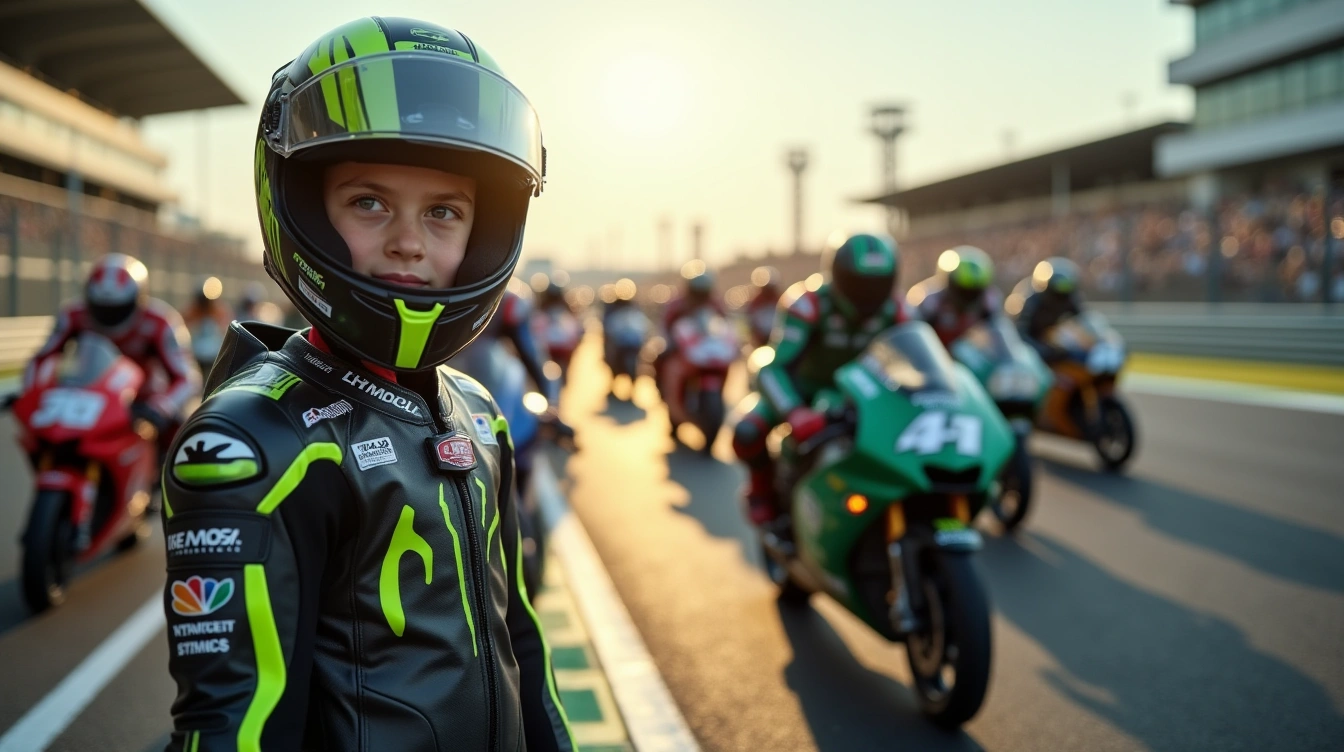
MotoGP is undergoing a major geographical transformation that is reshaping its global strategy. Asia-Pacific is becoming the championship's primary playground, with new circuits planned for addition in India and Thailand by 2027. This expansion responds to growing demand in these emerging markets, where viewership has increased by 45% in the last three years.
Digital platforms are revolutionizing MotoGP's approach to reaching new audiences. Social media now generates more than 2 billion interactions annually, while streaming broadcasts reach an audience 30% younger than traditional television. This massive digitalization allows the championship to conquer territories where motorsports were previously marginal.
The evolution of the American market perfectly illustrates this dynamic. Thanks to promotional efforts and the spectacular performances of young riders, the North American audience has doubled since 2022, paving the way for potential new circuits on this strategic continent.
Your Questions About MotoGP's Future
Who are the young riders set to dominate MotoGP in the coming years?
Pedro Acosta leads the new generation alongside Fabio Di Giannantonio and Ai Ogura. These riders combine aggressive racing styles with exceptional technical understanding, positioning them as future championship contenders.
What changes can we expect in MotoGP technology over the next ten years?
Advanced aerodynamics, hybrid powertrains, and AI-assisted data analysis will revolutionize bike performance. Expect lighter materials, improved safety systems, and potentially sustainable fuel alternatives to reshape racing dynamics completely.
Which MotoGP rookies should we keep an eye on for future championships?
Watch Ai Ogura and Fermin Aldeguer making their premier class debuts. Their Moto2 success and adaptability suggest they'll quickly challenge established riders for podium positions and potential titles.
How will electric bikes impact the future of MotoGP racing?
Electric technology will likely supplement rather than replace traditional engines. Hybrid systems may emerge by 2030, offering additional power while maintaining the visceral sound and experience fans cherish in MotoGP.
What new regulations might reshape MotoGP in the next decade?
Sustainability mandates will drive regulation changes, including biofuel requirements and carbon-neutral racing goals. Enhanced safety protocols and potential cost caps may also reshape team strategies and competitive balance significantly.